What is an Elbow Brace and How Does It Work?
An Elbow Brace is a specialized device designed to support and stabilize the elbow joint. Many people use this assistive tool for various reasons, including injury recovery, arthritis, and sports-related strain. Understanding how an elbow brace works can help individuals make informed choices regarding their health.
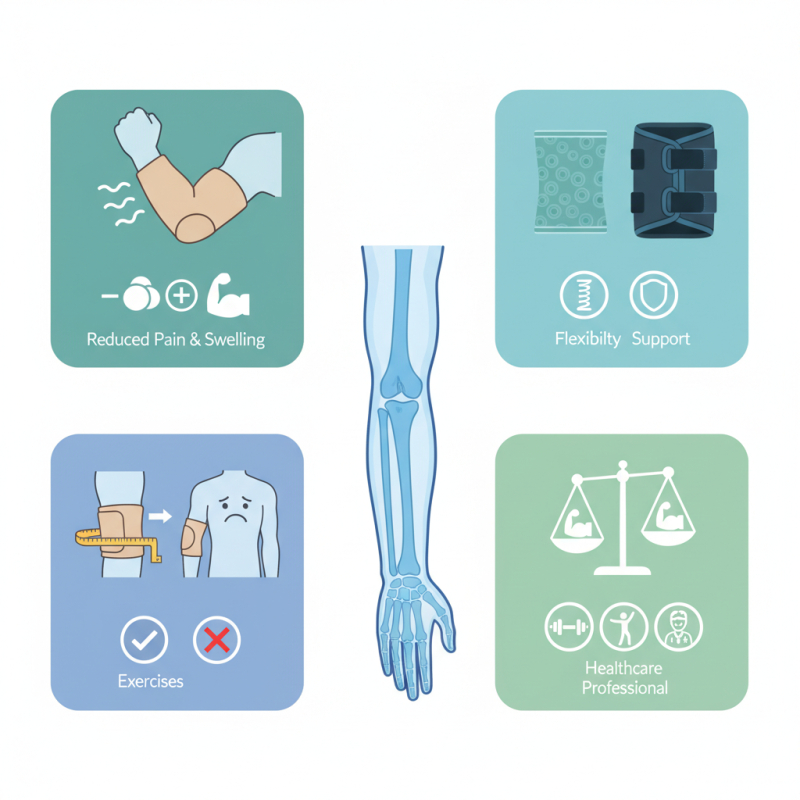
The elbow brace typically provides compression and warmth. This can reduce pain and swelling in the joint. The materials used can vary but often include elastic fabrics or neoprene. These materials allow for flexibility while providing necessary support. It is essential to choose an elbow brace that fits well. A poorly fitted brace may cause discomfort or limit movement.
While elbow braces can offer relief, they are not a cure-all solution. Over-reliance on a brace can lead to weakened muscles. It’s crucial to combine use with proper exercises and rehabilitation. Consulting with a healthcare professional ensures that you find the right balance in your recovery.
What is an Elbow Brace?
An elbow brace is a supportive device designed to stabilize and protect the elbow joint. Many athletes and individuals with elbow injuries benefit from its use. These braces are typically made from flexible materials that allow for safe movement while providing essential support. They help alleviate pain and prevent further injury during physical activity.
The primary function of an elbow brace is to limit excessive motion. This restriction is crucial for recovery from conditions like tendonitis or after surgery. Wearing a brace can instill confidence in your movements. However, it can also lead to over-reliance on the device. Some people might forget to strengthen the underlying muscles, potentially causing long-term weakness.
Choosing the right elbow brace involves considering your specific needs. An ideal brace should offer enough support without restricting circulation. A poorly fitting brace may exacerbate pain or discomfort. It's essential to consult a healthcare professional to find the best option. Reflecting on your experience might lead to better decisions regarding care and prevention.
Types of Elbow Braces Available on the Market
Elbow braces come in various types, designed to address specific needs. A common type is the compression sleeve, which offers support and warmth. These sleeves enhance blood circulation, helping with recovery from minor injuries. They can also alleviate discomfort during daily activities.
Another popular option is the hinged elbow brace. This brace features metal hinges on either side, providing stability to the joint. It helps individuals recovering from more severe injuries or surgeries. The adjustable straps ensure a snug fit, which is crucial for effective support. Many users report improved confidence while performing physical tasks.
Some braces are designed for sports, like tennis or golf. These braces focus on reducing strain during repetitive motions. They often include padding to absorb shocks. However, not all users find these helpful. Fit and comfort can be subjective. Individual preferences vary widely. It's always wise to consult a medical professional before choosing an elbow brace. This ensures you find the right type for your condition.
Elbow Brace Types and Their Usage Frequency
How Elbow Braces Function to Support Injuries
Elbow braces are designed to provide support and reduce pain from injuries. They play a vital role in the rehabilitation process. Many users report a significant decrease in discomfort when wearing these devices. Research indicates that around 40% of adults experience elbow pain at some point in their lives. This is often due to overuse or sports-related injuries.
Elbow braces function by stabilizing the joint and limiting its range of motion. This reduces strain on ligaments and tendons during recovery. A study published in the Journal of Orthopaedic Research found that using a brace can enhance recovery time by up to 30%. Compression elements in the brace can also help to reduce swelling and improve circulation. However, some users may experience discomfort and may need to adjust the fit.
Despite their benefits, many people overlook the importance of proper brace fitting. An ill-fitting brace can lead to further injuries. Studies reveal that only 25% of users are fully aware of the correct size they need. Regular consultation with healthcare professionals can help individuals choose the best options for their specific needs. This approach enhances both recovery and comfort.
Benefits of Wearing an Elbow Brace for Recovery
Wearing an elbow brace can significantly aid recovery for various injuries and conditions. These supports stabilize the elbow joint, reducing strain during movement. They also promote proper alignment, which can prevent further injuries. Many wearers find immediate relief from pain and discomfort, enhancing their ability to perform daily tasks.
Incorporating an elbow brace into your recovery routine offers several benefits. It helps control swelling and improves circulation, allowing for better healing. The brace acts as a reminder to avoid overexertion during rehabilitation. Some users report improved confidence while engaging in physical activities, as the brace provides reassurance and stability.
However, it is important to choose the right brace. An ill-fitting brace can lead to increased discomfort or restricted movement. Each person’s needs may differ, impacting the level of support required. Reflecting on your experience with an elbow brace can help identify the most effective type for your specific situation.
What is an Elbow Brace and How Does It Work? - Benefits of Wearing an Elbow Brace for Recovery
| Aspect | Description |
| Definition | An elbow brace is a supportive device worn around the elbow to provide stabilization and reduce pain. |
| How It Works | It immobilizes the elbow joint and surrounding muscles, helping to protect from further injury. |
| Material | Typically made from fabric, neoprene, or a combination of materials for support and comfort. |
| Benefits | Reduces pain, enhances stability, promotes healing after injury, and can prevent re-injury. |
| Who Should Use | Individuals recovering from elbow injuries, athletes, and those with chronic elbow conditions like tendonitis. |
| Types | Hinged braces, compression sleeves, and immobilizers are common types. |
| Usage Duration | Usage depends on the severity of the condition; typically recommended to wear during activities that strain the elbow. |
| Consultation | Always consult a healthcare professional before starting to use an elbow brace for proper guidance. |
When to Seek Professional Help for Elbow Issues
When facing persistent elbow pain, knowing when to seek professional help is crucial. Pain that lasts more than a few days can be a sign of a more serious issue. If you notice swelling or redness around the elbow, it may require further examination. These symptoms might indicate conditions like tendonitis or bursitis.
It’s important to pay attention to the kind of pain you experience. Sharp or sudden pain may suggest a strain or injury. Loss of mobility should not be ignored. If you struggle to bend or straighten your arm, seeking medical assistance is wise. A healthcare professional can provide a thorough evaluation.
Some people hesitate to consult a doctor, thinking their condition will improve on its own. Ignoring symptoms can lead to worsening problems. If basic activities like lifting objects or typing become painful, it’s time for a check-up. Taking action sooner can prevent further complications. Your elbow deserves careful attention, especially if you are active or involved in sports. Don’t wait—listen to your body and act accordingly.
