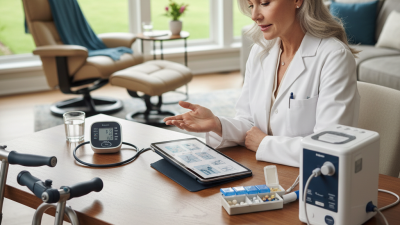
How to Choose Home Medical Supplies for Global Sourcing

Choosing Home Medical Supplies for global sourcing requires more than comparing unit prices. Buyers must examine patient safety, supplier capability, product consistency, and local requirements. A blood pressure monitor may look suitable online, yet its cuff range, calibration records, packaging, and user instructions can determine whether it performs reliably in a small clinic.

Dr. Don Berwick, a leading healthcare quality expert, said, “Every system is perfectly designed to get the results it gets.” His observation applies directly to international procurement. A sourcing process built only around low costs may produce delayed shipments, unclear documentation, or unsuitable products. A stronger process checks manufacturing experience, quality controls, traceability, warranty support, and after-sales communication. Ask for samples. Review inspection reports. Test the packaging in realistic conditions, including humidity, rough handling, and long storage periods.

The right Home Medical Supplies partner should provide clear technical specifications and verifiable compliance evidence. Requirements can differ between countries, so buyers should confirm applicable standards with qualified regulatory professionals. Do not rely on attractive catalogs alone. A spreadsheet can look complete and still hide a serious weakness.

This approach is not perfect. Product quality may vary between batches, and delivery forecasts can change unexpectedly. That is why responsible sourcing includes backup suppliers, documented inspections, and honest risk reviews. Practical experience matters. So does the willingness to question convenient assumptions before supplies reach patients.

How to Choose Home Medical Supplies for Global Sourcing

Define Medical Supply Needs and Sourcing Requirements

When choosing home medical supplies for global sourcing, define the user’s daily needs before comparing suppliers. Identify the condition, frequency of use, required measurements, and storage space. A blood pressure monitor may need large numbers and simple controls. A wound-care kit may require sterile packaging, clear instructions, and separate size options. Ask who will use each item. An older adult living alone needs different support from a trained caregiver.

Turn these needs into measurable sourcing requirements. Record material specifications, dimensions, weight limits, packaging language, shelf life, and acceptable defect rates. Request samples from more than one qualified supplier. Check seals, labels, instructions, and comfort under realistic home conditions. Test products after transport simulation when possible. A crushed carton can damage more than the outer box. It may affect safety.

Destination requirements deserve careful attention. Confirm applicable device classifications, registration duties, labeling rules, import documents, and reporting expectations. Requirements vary by country and product type. Do not rely on a supplier’s general compliance statement. Ask for current technical files, test reports, quality certificates, and traceability procedures. I have seen sourcing plans fail because storage temperatures were ignored. That detail seems small. It is not. Leave room for human error, because even a well-designed requirement sheet can miss daily realities.

Compare Product Types, Standards, and Intended Uses

When sourcing home medical supplies globally, compare function before price. A blood pressure monitor serves a different need from a mobility aid or wound dressing. Diagnostic devices need accuracy checks and clear user instructions. WHO’s 2022 Global Report on Assistive Technology estimates that over 2.5 billion people need assistive products. Nearly one billion lack access. This gap increases demand, but demand does not prove suitability.

Standards should match the product’s intended use and risk level. ISO 13485 supports quality management for medical-device manufacturing. IEC 60601 addresses electrical safety for many powered devices. ISO 10993 helps assess biological safety for patient-contact materials. However, a certificate alone is not enough.

Ask for test reports, batch records, shelf-life data, and traceable calibration evidence.

Intended-use wording matters. An adult blood-pressure cuff may not fit a child’s arm. A wound dressing for light exudate may fail on a heavily draining wound. Small details can change outcomes. Destination requirements also vary, so local verification remains necessary.

Tips: Build a comparison sheet with product type, intended user, contact time, power needs, storage temperature, and applicable standards. Request samples before volume orders. Check the label beside the actual instructions. A perfect checklist does not exist. I would still review every assumption, especially when translated specifications sound unusually vague.

Evaluate Global Suppliers, Certifications, and Quality Systems

Choosing home medical supplies for global sourcing requires more than comparing unit prices. Supplier evaluation should begin with a current ISO 13485 certificate, a defined quality management system, and evidence that the certificate covers the exact product category. Ask for recent audit findings, corrective-action records, complaint trends, and batch traceability. Details matter.

The World Health Organization estimates that one in ten medical products in low- and middle-income countries may be substandard or falsified (WHO, 2017). This figure is not a supplier score. It is a warning about weak verification. Request independent test reports, material specifications, sterilization validation, and samples from normal production batches. A sample can look perfect.

Review how suppliers control design changes, subcontractors, packaging, storage, and transport conditions. For items used at home, inspect clear instructions, readable labels, ergonomic handling, and failure reporting procedures. The WHO Global Report on Assistive Technology states that more than 2.5 billion people need assistive products, with demand potentially reaching 3.5 billion by 2050. That scale increases pressure on supply chains. It also makes rushed approvals risky. In practice, buyers sometimes overvalue certificates and undervalue factory behavior. A certificate is not proof of every shipment. Conduct a remote audit when necessary, but recognize its limits. One unresolved weakness should trigger deeper evidence, not an automatic rejection.

Assess Pricing, Logistics, Customs, and Import Regulations

How to Choose Home Medical Supplies for Global Sourcing

Pricing is only the starting point. Compare the full landed cost, including unit prices, packaging, freight, insurance, duties, taxes, and broker fees. A low quotation may hide expensive air transport or oversized cartons. Request a detailed pro forma invoice with currency, payment terms, minimum order quantity, and delivery schedule. Check whether prices change after sampling or quality inspection. They sometimes do.

Logistics deserve practical attention. Confirm carton dimensions, pallet requirements, storage conditions, and shipment tracking. Sterile or temperature-sensitive supplies may require controlled transport and documented handling. Ask for batch numbers, shelf life, certificates, and replacement procedures for damaged goods. Build a small buffer for port delays. I have seen purchase plans fail because the delivery date ignored local holidays and warehouse capacity. That mistake is easy to repeat.

Customs classification must be verified before payment. Confirm the correct HS code, product description, country of origin, and import valuation with an authorized customs broker. Import regulations can differ sharply between ordinary home-care items and regulated medical devices. Check whether the destination requires product registration, an import permit, local labeling, instructions in the local language, or a conformity document. Use current guidance from the destination’s customs authority and health regulator. Do not rely on an old supplier template. Keep invoices, test reports, declarations, and shipping records together for inspection. Rules change, and an apparently complete file may still need professional review.

Verify Samples, Contracts, Delivery Terms, and Ongoing Support

Before placing a large order, request production samples from the same materials and process used for shipment. Test fit, grip, packaging, labels, and cleaning instructions in a real home setting. Measure dimensions and record performance with dated photos. A sample can look excellent while later batches vary. Ask for a second sample.

Use a contract that describes every critical detail, including material grade, size tolerance, labeling language, inspection rights, warranty coverage, and acceptable defect limits. Specify who handles replacements, complaints, and product changes. Delivery terms should identify the responsible party for freight, insurance, customs documents, and import clearance. Confirm shipping dates in writing, not through informal messages. Small misunderstandings become expensive delays.

Ongoing support matters.

Ask how quickly technical questions receive answers. Reliable suppliers should provide batch records, user instructions, and advance notice of material or packaging changes. They should also explain their process for investigating damaged or unsuitable supplies. I have learned that a friendly sales conversation is not proof of dependable support. A shared service calendar, named contacts, and quarterly performance reviews create clearer accountability. Still, no sourcing plan is perfect. Leave room for unexpected port delays, damaged cartons, and feedback from patients or caregivers. Review the arrangement after the first delivery, even when everything appears successful.