10 Best Quality Herbs Suppliers for Global Buyers

Choosing reliable suppliers is central to every global herbal procurement strategy. Quality Herbs must be correctly identified, carefully processed, and consistently documented. A polished website is not enough.

Roy Upton, founder of the American Herbal Pharmacopoeia, offers a useful warning: “You cannot test quality into a product.” His point reaches beyond laboratory analysis. Strong suppliers build quality into cultivation, harvesting, drying, storage, and shipment. Buyers should request botanical names, plant parts, country of origin, batch numbers, certificates of analysis, and current testing records. Tests may include identity, microbial contamination, heavy metals, pesticides, and moisture levels. Clear traceability matters.

This guide introduces ten Quality Herbs suppliers serving international buyers. It considers product range, sourcing transparency, manufacturing controls, certifications, packaging, lead times, and communication. Some suppliers may excel in organic cultivation. Others may offer stronger extraction expertise or flexible private-label services. Very few perform perfectly across every category.

That is worth remembering.

A low price can hide inconsistent grading, weak documentation, or fragile packaging. A prestigious certification can also leave practical questions unanswered. Does the supplier protect dried leaves from humidity? Can it provide a retained sample? Does it explain delays honestly? These details often decide whether a shipment arrives as a dependable ingredient or a costly disappointment.

The companies selected here should be viewed as informed starting points, not automatic approvals. Global buyers still need independent verification, risk assessment, and destination-market compliance checks. Quality is not a slogan. It is a daily process, visible in the smallest details.
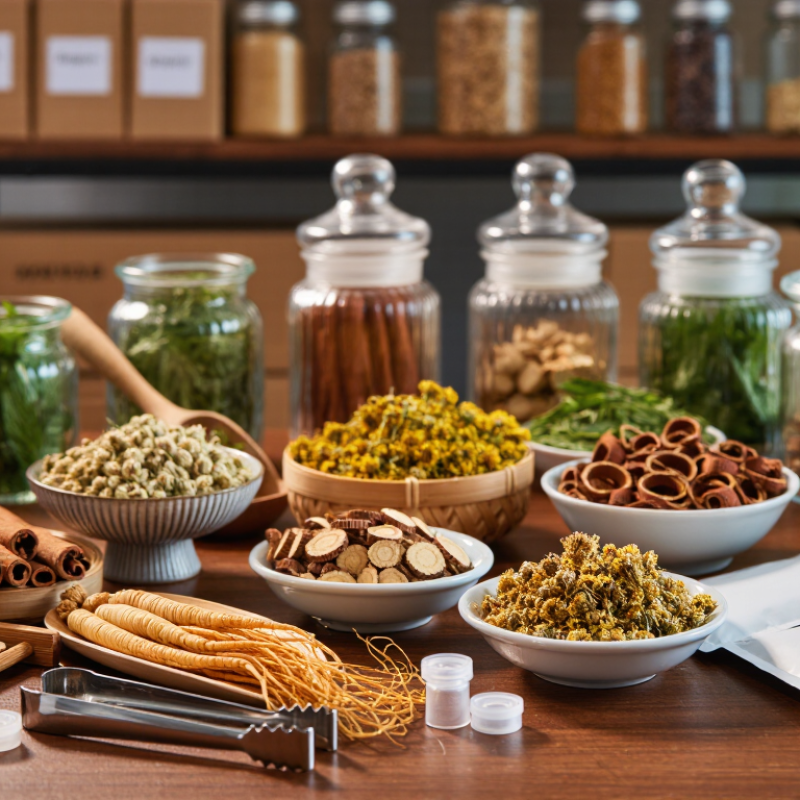
10 Best Quality Herbs Suppliers for Global Buyers

What Defines a High-Quality Herb Supplier for International Buyers

10 Best Quality Herbs Suppliers for Global Buyers

What Defines a High-Quality Herb Supplier for International Buyers

A high-quality herb supplier proves consistency before discussing price. Each shipment should show botanical identity, harvest region, lot number, moisture level, and test results. Buyers should request certificates for microbial safety, pesticide residues, heavy metals, and foreign matter. Clear records matter more than polished sales language.

The World Health Organization reported in 2019 that 88% of its Member States acknowledged using traditional medicine. That figure signals broad demand, but it also raises quality expectations. The Food and Agriculture Organization estimated that 13.2% of food was lost globally before retail in 2021. Herbs can suffer quickly from humidity, heat, poor packaging, and long transit times. A serious supplier therefore explains drying controls, warehouse conditions, packaging materials, and temperature monitoring.

Ask for representative samples, not only attractive ones. Compare the sample with the delivered lot. Check color, aroma, cut size, and visible contamination. Laboratory testing should follow recognized methods and documented sampling plans. Codex food safety principles and ISO-based systems can support this process, but certificates alone are not enough. No audit is flawless. I have seen paperwork look complete while traceability remained weak. That uncomfortable gap deserves attention. Suppliers should also disclose rejected lots, corrective actions, and realistic lead times. Honest limitations often reveal stronger operational control than exaggerated claims.

How to Evaluate Herb Quality, Safety, and Certification Standards

How to Evaluate Herb Quality, Safety, and Certification Standards

Reliable herb sourcing begins with identity, not appearance. A bright green powder may still contain fillers, excess moisture, or the wrong species. Ask suppliers for botanical names, plant parts, harvest locations, and batch numbers. Review a current certificate of analysis for each lot. It should cover identity, moisture, microbial limits, heavy metals, pesticides, and relevant contaminants. A clear sample matters.

Safety records should connect the farm, processor, warehouse, and shipment. Traceability is strongest when every batch has documented handling dates and storage conditions. Check whether facilities follow HACCP, GMP, or ISO-based food safety systems. Organic certification may support a specific claim, but it does not replace contaminant testing. Requirements also differ between importing countries, so local regulations deserve careful review.

Do not trust certificates blindly. Verify the issuing body, scope, validity dates, and product category. Request independent laboratory results when risk is high, especially for concentrated extracts. During a factory visit, inspect sealed containers, pest controls, cleaning logs, and temperature records. Small details reveal habits. I have found that polished documents can hide weak sampling practices. That is an uncomfortable lesson. Supplier evaluation should therefore combine paperwork, testing, site evidence, and repeat performance. A single excellent batch proves very little.

Key Factors for Comparing the Top Ten Global Herb Suppliers

Comparing ten global herb suppliers requires more than reading polished product pages. In practical sourcing, I check botanical names, plant parts, harvest regions, and processing dates. A clear traceability record should connect each lot to a farm or cooperative. That detail matters. Supplier experience becomes visible when staff explain seasonal variation without making vague promises. I request recent certificates of analysis, not sample documents from an old shipment. Good records should show identity, moisture, microbial limits, heavy metals, pesticides, and testing methods.

Quality systems deserve equal attention. I compare sampling plans, laboratory qualifications, corrective-action records, and storage controls. Clean warehouses should have raised pallets, sealed bags, ventilation, and visible lot labels. A supplier may hold a certificate, yet daily handling can still be weak. This is where remote audits often miss something. Ask for photos, inspection procedures, and a live video walkthrough. I prefer suppliers who admit a failed batch and explain how it was contained. Honest answers are useful. Still, documents can be incomplete, and I have sometimes trusted neat paperwork too quickly. That mistake deserves review.

Commercial factors can change the ranking. Compare minimum order quantities, lead times, packaging options, customs support, and backup harvest plans. For sensitive herbs, moisture-barrier packaging and temperature records may protect quality during long transit. Request a small pilot lot before signing a large contract. Check whether the delivered aroma, color, cut size, and moisture match the agreed specification. Communication speed also matters when shipments are delayed. The strongest supplier is not always the cheapest. A reliable partner provides consistent evidence, realistic timelines, and clear responsibility when results fall short.

Export Services, Packaging, and Supply Chain Capabilities

10 Best Quality Herbs Suppliers for Global Buyers

Export Services, Packaging, and Supply Chain Capabilities

Choosing a quality herb supplier requires more than checking appearance or price. Experienced exporters provide batch records, certificates of analysis, and clear traceability from farm to shipment. They should explain harvesting methods, drying controls, and testing procedures without vague promises. Reliable suppliers also understand import documentation, customs requirements, and destination-market standards. Their export teams can prepare commercial invoices, packing lists, certificates of origin, and product specifications accurately. Small errors can delay a container.

Packaging & Supply Chain

Packaging protects quality during long transport. Food-grade inner liners, sealed cartons, and moisture-resistant bags help preserve color, aroma, and cleanliness. For bulk orders, suppliers should offer practical weights, palletized loading, and labels showing batch numbers, origin, net weight, and production dates. Temperature and humidity records are useful for sensitive dried herbs. A strong supply chain includes backup growers and realistic lead times. It should not depend on one harvest region. No supplier is perfect. Even a well-managed shipment may face weather delays, uneven leaf sizes, or changing freight schedules.

Tips: Request a recent sample before placing a large order. Compare aroma, color, cut size, and moisture results. Ask how rejected batches are handled. Confirm packaging photos and inspection procedures in writing. Do not accept the lowest quote automatically. A cheaper shipment may create higher costs through rework, storage, or missed delivery windows. Recheck documents before dispatch. That habit matters.

How Global Buyers Can Select the Right Herb Supplier for Their Needs

Selecting the right herb supplier starts with evidence, not attractive product photos. WHO’s Global Report on Traditional and Complementary Medicine 2019 states that 170 of 194 Member States reported using traditional medicine. That scale makes supplier verification essential. Ask for the exact botanical name, plant part, origin, harvest date, and lot number. Traceability matters. A reliable supplier should provide current certificates of analysis covering identity, moisture, pesticides, heavy metals, microbes, and adulterants. Request a retained sample from the same lot. Samples can reveal cut size, color, aroma, and foreign material before shipment.

Audit the supplier’s quality system against recognized controls, such as Codex Alimentarius hygiene principles and ISO 22000-based food safety procedures. EFSA’s 2022 pesticide-residue report found 96.3% of tested food samples were within legal limits, showing why routine screening remains necessary. Do not treat one clean report as permanent proof. Test independently when the destination market requires it. Ask how suppliers handle rejected batches, recalls, storage humidity, and transport temperature. Capacity also matters. A supplier may pass a small trial, then struggle with a container order. I would question unusually low prices. They may reflect efficiency, but they may also hide weaker testing or inconsistent sourcing. No checklist is perfect. Face-to-face audits, transparent records, and repeated lot performance provide stronger confidence than certificates alone.

10 Best Quality Herbs Suppliers for Global Buyers

How Global Buyers Can Select the Right Herb Supplier for Their Needs

The chart presents a practical 100-point supplier-screening framework. Buyers should give the highest priority to herb identity, laboratory safety testing, traceability, regulatory documentation, and batch consistency before comparing price or capacity. The weighting is a purchasing framework rather than a ranking of companies or brands.

Key quality areas reflect widely used food and botanical-supply practices, including HACCP, ISO 22000 food-safety systems, pesticide and microbiological testing, batch traceability, and applicable Codex or importing-country requirements.