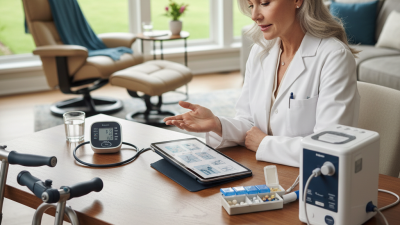
10 Best Health Equipment Stores for Global Buyers?

Choosing reliable medical products online can feel like comparing identical white boxes under harsh warehouse lights. A trusted Health Equipment Store should offer more than attractive prices. It should provide clear specifications, verified certifications, dependable warranties, and responsive after-sales support. Global buyers also need to check voltage requirements, regional plug types, delivery conditions, import documentation, and service availability. A device that works well in one country may become useless elsewhere.

Dr. Tedros Adhanom Ghebreyesus, Director-General of the World Health Organization, stated, “Health is a fundamental human right. Every person should have access to the health services they need, when and where they need them—without financial hardship.” This principle matters when evaluating stores serving international customers. Access must include safe equipment, understandable instructions, transparent pricing, and practical maintenance support. Our selection considers product quality, supplier experience, customer feedback, technical guidance, and international fulfillment practices.

The list covers stores offering diagnostic equipment, mobility aids, home-care products, rehabilitation tools, and professional supplies. Some retailers specialize in hospitals, while others serve families and small clinics. Not every store fits every buyer. That is the uncomfortable part. A famous brand may still offer slow support, and a cheaper supplier may provide excellent service. Buyers should compare carefully. Look for real contact details, return policies, warranty terms, and current product information. These details can prevent expensive surprises after delivery. Our recommendations aim to be useful, but no ranking is perfect. Personal needs, local regulations, and professional advice still matter.
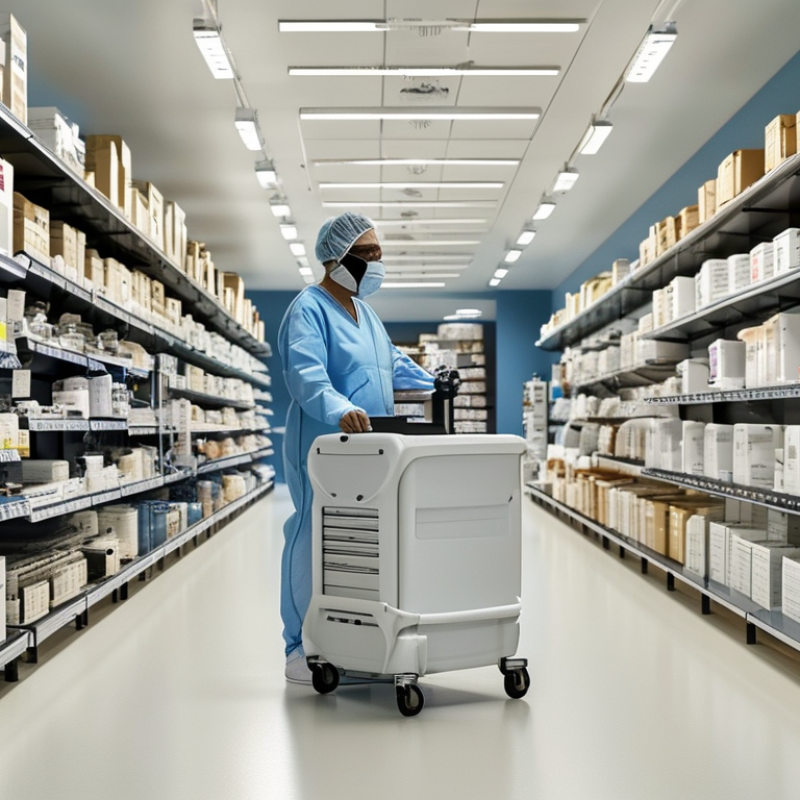
10 Best Health Equipment Stores for Global Buyers?

What Makes a Health Equipment Store Suitable for Global Buyers

A health equipment store suitable for global buyers must offer more than a wide product catalog. Clear specifications matter. Buyers should find measurements, intended use, materials, weight, voltage, and maintenance requirements. Reliable stores also provide compliance documents, user manuals, and calibration records. These details help hospitals, clinics, and home users make safer decisions across different countries.

International service is equally important. A suitable store explains shipping methods, customs responsibilities, delivery estimates, and return conditions before payment. Multilingual support can prevent dangerous misunderstandings about setup or operation. Qualified technicians should answer technical questions, not only sales staff. Spare parts and repair guidance also matter, especially when local service centers are unavailable. No store is perfect. A supplier may provide excellent documentation but offer slow support during holidays. That weakness deserves honest attention.

Tips: Check whether the equipment matches local voltage and socket standards. Request certificates from recognized testing bodies. Confirm warranty coverage in your country. Read recent customer feedback about packaging, delivery damage, and after-sales replies. Ask for a sample manual before ordering complex equipment. A low price can hide training costs, replacement delays, or unclear import duties. For critical devices, compare at least two qualified suppliers and keep every written promise.

Categories of Health Equipment Offered by Leading Stores

Leading health equipment stores now serve buyers across hospitals, clinics, and homes. Their product categories usually begin with diagnostic equipment, including digital thermometers, blood pressure monitors, pulse oximeters, and examination lights. More advanced inventories may include ultrasound systems and electrocardiography devices. Each category requires different training, maintenance, and verification procedures.

Monitoring equipment supports continuous observation. Common items include patient monitors, glucose meters, fetal monitors, and wearable sensors.

Respiratory care categories may offer oxygen concentrators, nebulizers, suction devices, and compatible accessories. Mobility and assistive equipment covers wheelchairs, walkers, transfer aids, and communication tools.

The World Health Organization’s Global Report on Assistive Technology estimates that more than 2.5 billion people need assistive products today. This figure could exceed 3.5 billion by 2050.

Rehabilitation and home-care sections often include therapy bands, exercise cycles, adjustable beds, and pressure-relief cushions. Infection-prevention supplies may include sterilization equipment, protective clothing, sharps containers, and surface-disinfection tools.

Buyers should check conformity documents, electrical safety details, warranty coverage, and local servicing options. The WHO Global Model Regulatory Framework stresses risk-based oversight for medical devices, which makes documentation essential.

I have seen buyers focus on price first. That can be a costly mistake. A low-cost monitor is not useful if calibration support is unavailable.

Stores should also explain intended use, training needs, delivery conditions, and replacement schedules. Some listings remain vague. That deserves scrutiny.

Profiles of Ten Notable Health Equipment Stores

10 Best Health Equipment Stores for Global Buyers?

Profiles of Ten Notable Health Equipment Stores

Global buyers need more than attractive product pages. They need clear specifications, responsible sourcing, and dependable support. The following ten store profiles represent useful purchasing models for home and professional health equipment.

The clinical essentials store offers blood pressure monitors, thermometers, and pulse oximeters with readable manuals. Its strongest feature is measurement guidance, although some product descriptions need more practical detail. The rehabilitation shop focuses on walking aids, transfer benches, resistance bands, and therapy cushions. Adjustable sizes matter here. The home-care supplier provides bedside tables, shower chairs, and patient-support accessories. It should show weight limits clearly. The diagnostic equipment outlet serves clinics with examination lights, stethoscopes, and basic testing tools. Calibration records build trust. The mobility store combines wheelchairs, rollators, ramps, and replacement parts. Delivery damage remains a concern.

The fitness recovery shop sells exercise bikes, massage tools, stretching equipment, and compact recovery devices. Buyers should check noise levels and warranty terms. The elderly-care store emphasizes easy-grip handles, non-slip surfaces, and simple controls. Good design feels quiet, not complicated. The dental equipment supplier provides instruments, sterilization accessories, and treatment-room furniture for licensed professionals. Compliance documents are essential. The sports medicine store carries braces, cold therapy products, and training supports. Some claims may sound stronger than the evidence. The accessibility-focused marketplace offers adapted bathroom, kitchen, and daily-living equipment. Its value depends on accurate measurements and responsive support.

Experienced buyers should compare certifications, return policies, spare-part access, and shipping conditions. Regulations differ across countries, so local verification is necessary. Reviews help, but they are not proof. A store can appear professional and still provide weak after-sales service. That is worth remembering.

Comparison of Product Quality, Pricing, and International Shipping

10 Best Health Equipment Stores for Global Buyers

A strong shortlist should compare ten store types, not only store names. These include mobility suppliers, rehabilitation specialists, home-monitoring shops, diagnostic distributors, therapy-equipment outlets, and hospital-grade marketplaces. Product quality comes first. Check ISO 13485 certification, calibration records, warranty terms, and replacement-part availability. The World Health Organization reports that more than 2.5 billion people need assistive products worldwide. Demand may reach 3.5 billion by 2050. That scale makes traceability essential, not decorative.

Pricing needs a landed-cost calculation. Add the product price, export packing, freight, insurance, duties, taxes, and return handling. A cheaper blood-pressure monitor may become expensive after a damaged shipment. The World Bank’s 2023 Logistics Performance Index evaluates customs, infrastructure, logistics services, tracking, and delivery timeliness. Use those indicators when comparing international shipping performance. Ask whether the seller provides serial-number records, multilingual instructions, and clear delivery estimates. Small details matter.

My first ranking would have overvalued discounts. That was a mistake. Quality failures can cost more than the original purchase. I would score each store across quality, total price, shipping reliability, and after-sales support. A practical weighting is 35% quality, 25% pricing, 25% shipping, and 15% service. The weighting is imperfect. Clinical risk should change it. For essential equipment, verified documentation and dependable delivery deserve greater weight than promotional pricing. WHO’s Global Report on Assistive Technology supports this cautious approach by emphasizing availability, affordability, and appropriate product selection.

Key Factors for Choosing the Right Global Supplier

Choosing a global health equipment supplier requires more than comparing online prices. WHO’s Global Atlas of Medical Devices reports over two million medical device types worldwide. That variety makes product verification essential. Ask for clear specifications, intended use, warranty terms, and maintenance procedures. A reliable store should provide traceable documentation, not vague promises.

Supplier quality matters at every border. Check whether the manufacturer follows recognized quality systems, such as ISO 13485, and request recent conformity records. Confirm electrical standards, language options, packaging strength, and replacement-part access. WHO’s 2022 Global Report on Assistive Technology estimates that more than 2.5 billion people need assistive products. Demand is rising, but service capacity may not. A supplier selling internationally should explain installation, calibration, training, and technical support in your region.

Delivery evidence deserves close attention. Review shipment performance, customs responsibilities, return conditions, and response times before ordering. Ask for a sample invoice and a written spare-parts schedule. I still notice buyers focusing too heavily on discounts. That habit can be costly. A cheaper monitor is not economical if its sensor fails after six months. Small details matter. I would also test communication with a simple technical question. Slow or unclear replies often predict difficult after-sales support. Reports guide decisions, but real buyer feedback can expose gaps. That evidence is imperfect, yet useful.

10 Best Health Equipment Stores for Global Buyers?

Key factors for choosing the right global supplier

How to read this chart: These evaluation weights provide a practical, non-brand-specific framework for comparing global health equipment suppliers. Buyers should adjust the weighting according to product type, destination-market regulations, and purchasing requirements.