2026 Top Hospital Equipment Rental Trends for Global Buyers?
The landscape of hospital equipment rental is rapidly evolving. As healthcare facilities face budget constraints, they increasingly opt for rental solutions. This trend allows organizations to access state-of-the-art technology without significant upfront costs.
In 2026, global buyers will see new rental strategies emerge. Flexible contracts are likely to be a key focus. Equipment such as MRI machines and Surgical robots may become available with shorter rental periods. This shift keeps hospitals agile and responsive to changing needs. However, not all strategies may succeed. Some facilities might struggle with integration challenges and supplier reliability issues.
Ultimately, understanding the trends in hospital equipment rental is crucial. Decision-makers must weigh the benefits against potential pitfalls. This requires a careful analysis of supply chain dynamics and contractual obligations. By doing so, hospitals can enhance patient care while managing operational costs effectively.
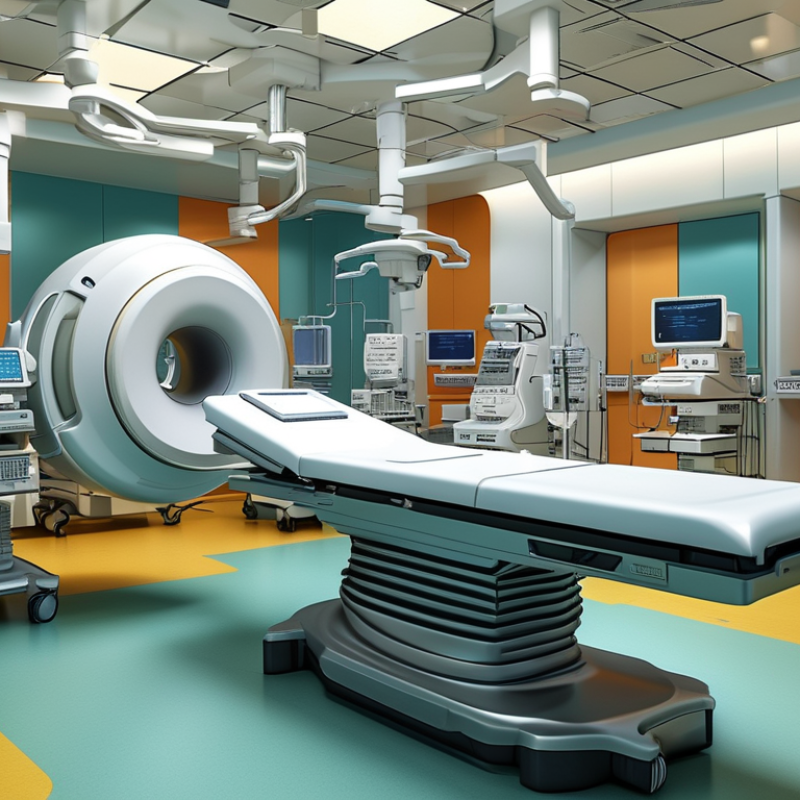
Emerging Technologies in Hospital Equipment Rental for 2026
Emerging technologies are rapidly reshaping the landscape of hospital equipment rental in 2026.
The adoption of artificial intelligence and machine learning is influencing decision-making processes.
These technologies help hospitals predict equipment needs based on patient data and seasonal demands.
Predictive analytics optimize inventory management, reducing waste and ensuring availability when it matters most.
Telehealth services are also gaining traction. As healthcare relies more on remote patient monitoring,
hospitals must rent devices that facilitate connectivity. Rental services are evolving to provide integrated solutions
that combine both medical devices and telecommunication technologies. This shift offers flexibility and cost efficiency,
essential for modern healthcare systems.
Consider how these trends impact your operations. Identify key areas where emerging technologies can streamline processes.
Investing in training for staff on new technologies can enhance their efficiency. It's crucial to stay ahead of the curve.
As the market evolves, continuously assess which technologies align with your facility's needs.
Adapting to these advancements will be pivotal for long-term success in hospital equipment rental.
Key Factors Influencing Global Hospital Equipment Rental Trends
The landscape of hospital equipment rental is evolving rapidly. Several factors play a crucial role in shaping these trends. One primary influence is the rising cost of healthcare. Hospitals seek cost-effective solutions to maintain quality care while managing budgets. Rental agreements often present an attractive option for acquiring necessary equipment without significant capital expenditure.
Technological advancements impact rental decisions as well. Hospitals are increasingly adopting innovative tools and devices. Patients expect modern treatment options, which can be challenging to keep up with. Rental services allow facilities to access the latest technology without the burden of long-term ownership. This flexibility can lead to better patient outcomes and optimized resource management.
Consider this when evaluating rental agreements. Understand your hospital’s specific needs. Assess the reliability of service providers. Read contracts carefully to avoid hidden fees. Quality should always take precedence over cost savings. Implementation of equipment can sometimes fall short of expectations due to insufficient training. Ensuring staff are well-prepared can enhance the benefits of new rentals.
2026 Top Hospital Equipment Rental Trends for Global Buyers
| Equipment Type |
Rental Growth Rate (%) |
Key Influencing Factor |
Market Region |
| MRI Machines |
12% |
Increasing demand for non-invasive diagnostics |
North America |
| CT Scanners |
10% |
Advancements in imaging technology |
Europe |
| Ultrasound Equipment |
8% |
Rising awareness of prenatal care |
Asia-Pacific |
| Patient Monitors |
15% |
Growing prevalence of chronic diseases |
Latin America |
| Infusion Pumps |
9% |
Increased home healthcare services |
Middle East & Africa |
Regional Variations in Hospital Equipment Rental Demand
Regional variations in hospital equipment rental demand illustrate diverse healthcare landscapes worldwide. According to a recent report by Grand View Research, the global hospital equipment rental market is projected to reach $45 billion by 2026. This growth is driven significantly by factors unique to each region.
In North America, demand is primarily spurred by aging populations and increasing chronic diseases. The market here is expected to expand at a CAGR of 8.5%. European markets showcase a different trend, with a focus on cost containment and temporary equipment solutions. As per the European Healthcare Market report, countries like Germany and France lead in equipment rental, partly due to stringent regulations on hospital budgets.
Asia-Pacific is catching up swiftly. Rapid urbanization and healthcare reform are reshaping rental needs. However, inconsistent regulatory standards create challenges. The Pacific Healthcare Index notes that Australia's rental market is growing, but countries like India face infrastructure hurdles. Thus, while regional trends vary widely, industry players must navigate these complexities for effective market penetration.
Sustainability and Eco-Friendly Practices in Equipment Rentals
The healthcare equipment rental sector is increasingly focusing on sustainability. Many companies are now adopting eco-friendly practices. This shift aligns with global trends emphasizing environmental responsibility. According to the Global Healthcare Equipment Rental Market report, nearly 70% of firms plan to integrate sustainable practices by 2026.
Recycled materials are becoming common in equipment manufacturing. Hospitals and clinics are encouraged to rent instead of buy. This approach reduces waste and lowers the carbon footprint. A study by Healthcare Without Harm revealed that the healthcare sector contributes to 10% of global carbon emissions. Addressing this issue can lead to significant environmental benefits.
However, there are challenges. Not all rental companies prioritize sustainability. Awareness among hospital administrators is still evolving. Some facilities may opt for cheaper, less eco-friendly options. It’s crucial for industry leaders to promote sustainability. A collective effort may help shift the mindset towards greener practices. The future of healthcare equipment rental depends on it.
Future Projections for the Hospital Equipment Rental Market
The hospital equipment rental market is undergoing significant changes, shaped by technological advancements and evolving healthcare needs. According to a report by Grand View Research, the market is expected to grow at a compound annual growth rate (CAGR) of about 7.5% from 2023 to 2030. This growth is driven by rising healthcare costs and a shift towards cost-effective solutions in hospitals. Rental services provide essential savings, allowing healthcare facilities to access the latest technology without the burden of high capital expenditure.
It is noteworthy that remote patient monitoring tools are gaining popularity among hospitals. Recent studies indicate that 70% of healthcare providers are interested in integrating these systems into their services. Although beneficial, reliance on rental equipment can pose challenges. Issues such as equipment tracking and maintenance can complicate operations. Addressing these gaps is crucial. Hospitals must consider their long-term strategies when engaging with rental services.
Patient safety remains a central concern. The lack of ownership may lead to variability in equipment quality. A report by Research and Markets emphasizes the importance of thorough vetting procedures for rental providers to ensure compliance with safety standards. Hospitals may need to reassess their rental criteria to enhance reliability. Balancing cost and quality will be imperative in making informed decisions in this evolving market.
2026 Hospital Equipment Rental Market Trends